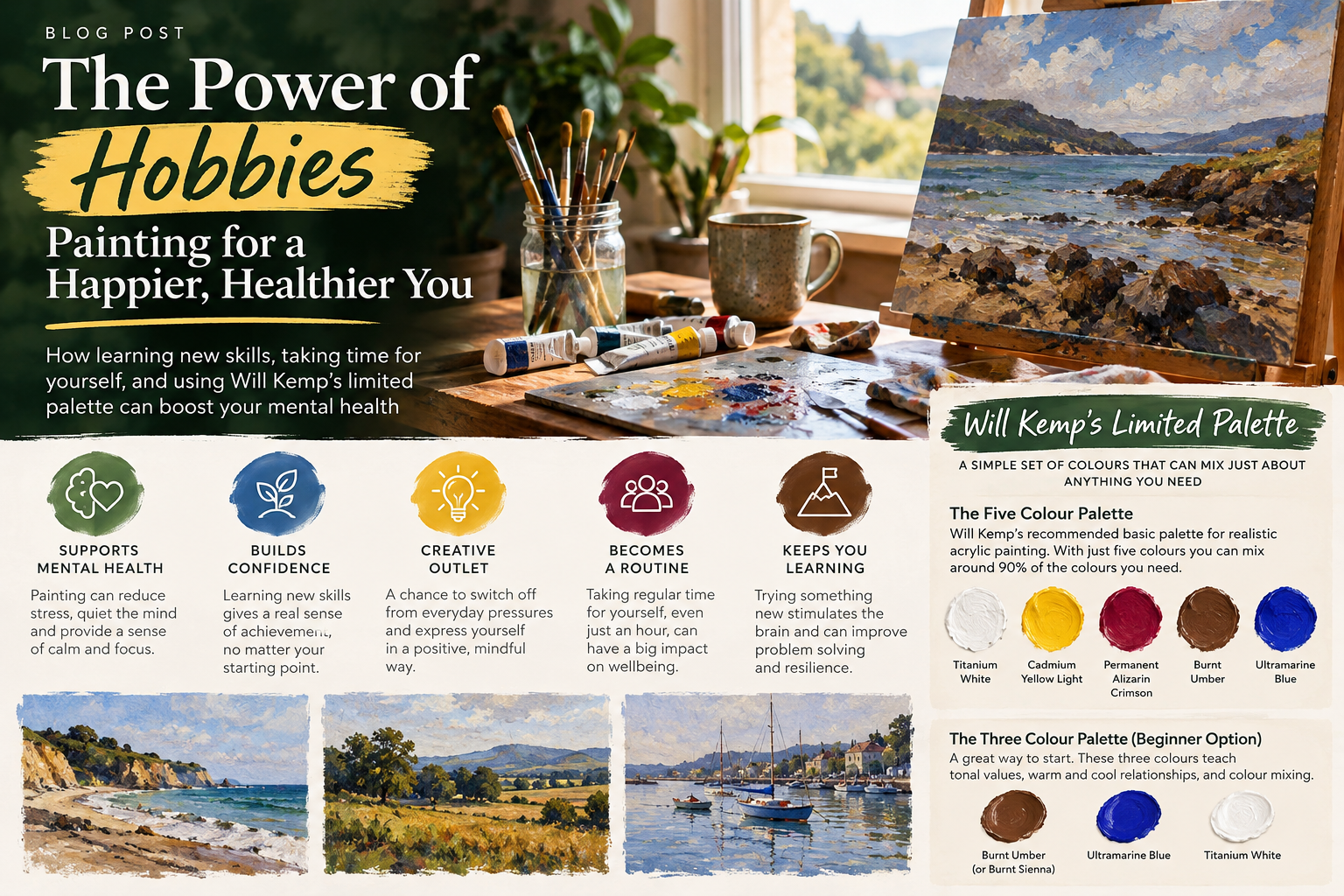
Why picking up a paintbrush reminded me that making time for a hobby can be part of looking after ourselves.
When did we stop making time for ourselves?
Somewhere between work, family responsibilities and the seemingly endless demands of everyday life, it becomes remarkably easy to forget that we are allowed to do things simply because we enjoy them. Not because they will make us more productive. Not because they will advance our careers.
Not because there is a qualification to achieve, a deadline to meet or somebody waiting to assess the outcome. Just because we want to. For many of us, finding time for ourselves comes with an uncomfortable sense of guilt. There is always something else that needs doing, another email that needs answering or another responsibility demanding our attention.
And yet, taking time for ourselves is not selfish. It is necessary. Recently, I began learning to paint by following Will Kemp Art School’s tutorials on YouTube. All the painting tutorials I have worked through have been on YouTube. What started as an opportunity to try something creative has become something I genuinely value, particularly for my mental wellbeing. I’m not setting out to become a professional artist. I’m learning to paint because I enjoy the process, because it challenges me in different ways and because, for a little while, it allows me to step away from everything else.
That, I’ve discovered, is reason enough.
Choosing to be bad at something
I started painting to try to find relaxation. I also chose it because I felt I could not draw: I wanted to learn a skill I was bad at and see whether practice could produce visible progress. In many areas of life, improvement can be difficult to measure.
Painting offered something tangible: something I could make, keep and return to as I learned. I was not trying to prove anything to anyone or work towards a qualification. I wanted to give myself permission to be a beginner.
Alongside that curiosity was the hope of finding time to switch off. Mixing colours, following a tutorial and trying to recreate what I see require concentration, but without the usual pressures attached to it. Sometimes it works. Sometimes it does not. The important thing is that I am learning.
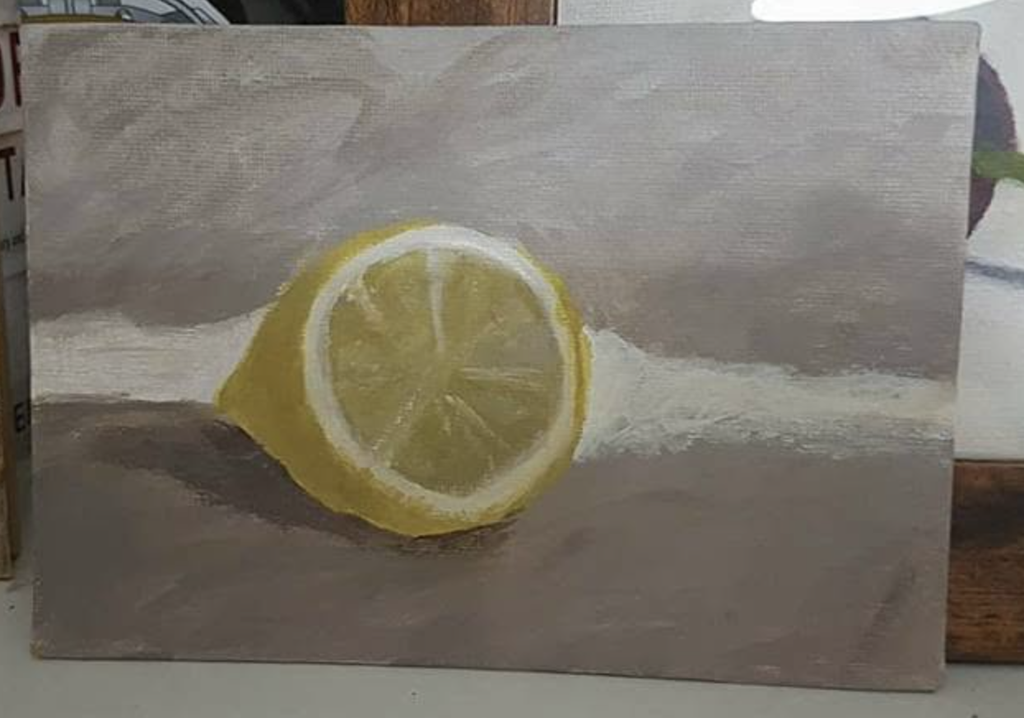
Lemon: small shifts in colour reward close observation.
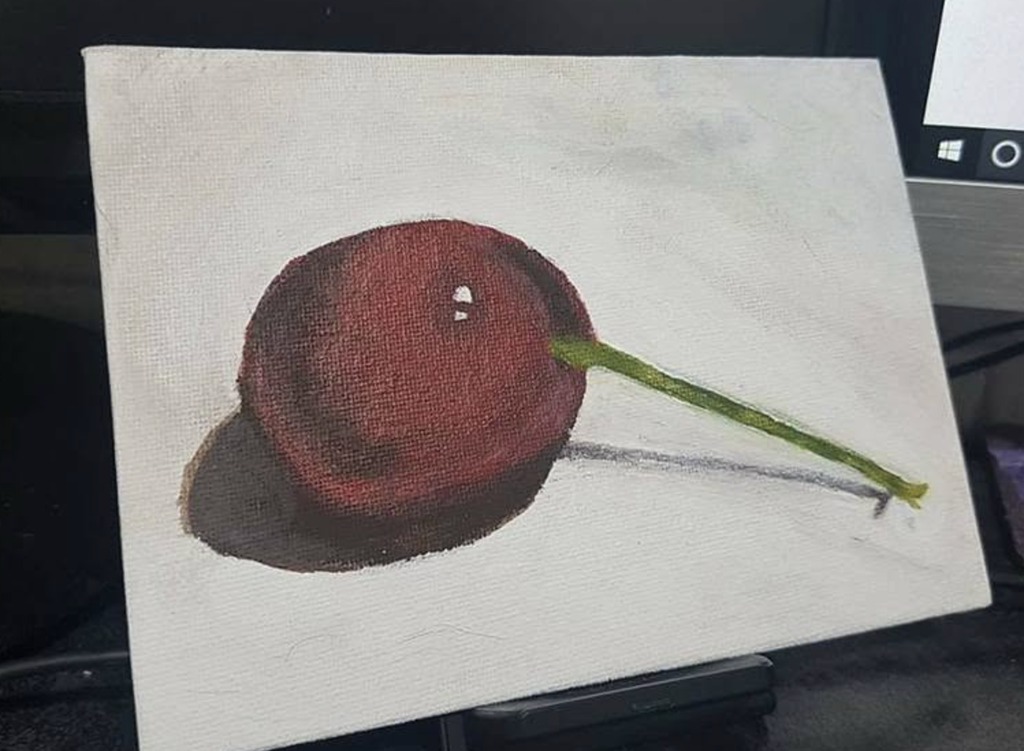
Cherry: highlights and a cast shadow give a simple subject depth.
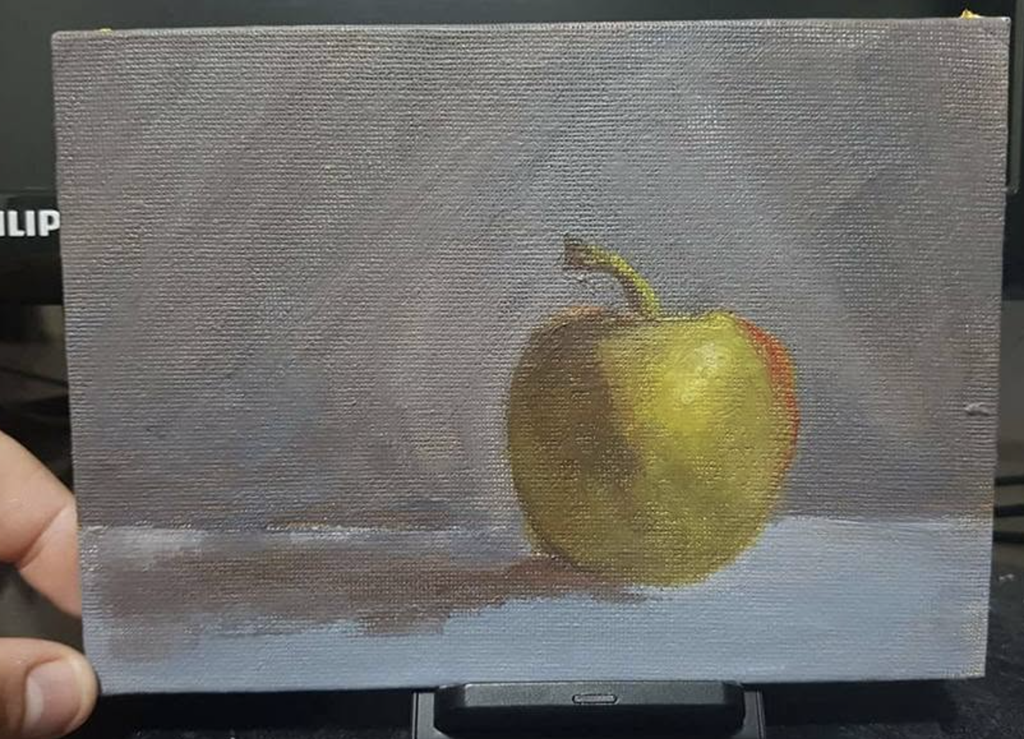
Green apple: learning to observe light, shadow and form.
The importance of having something that belongs to you
Much of our adult lives is defined by the roles we fulfil. We are employees, colleagues, parents, partners and carers. We have responsibilities to other people, and those responsibilities matter. But somewhere amongst them, it is possible to lose sight of ourselves as individuals. A hobby creates a small space that belongs entirely to us.
For me, painting provides that space. When I sit down with a canvas, a few brushes and some acrylic paints, the demands of the outside world become a little less immediate.
Instead of thinking about what needs doing tomorrow, I find myself concentrating on the colour of a shadow, the direction of a brushstroke or how to create the impression of light. Painting requires attention, but it is a different kind of attention from that demanded by work.
There is no inbox to clear. No meeting to prepare for. No expectation that I must produce something of measurable value. There is simply the painting in front of me.
And sometimes that is exactly what I need.
The surprising freedom of a limited palette
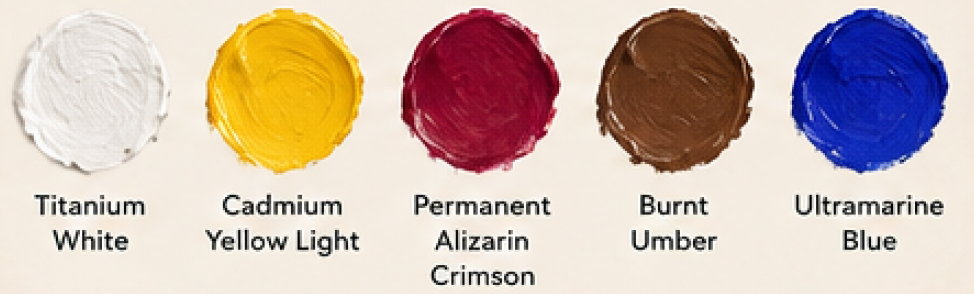
One of the things I particularly appreciate about Will Kemp’s approach to painting is his use of a limited colour palette. Rather than beginning with dozens of different tubes of paint, the emphasis is on learning how to mix colours from a small selection. It is a deceptively simple idea. At first, having fewer colours might seem restrictive. Surely, the more colours available, the easier it must be to paint? But the opposite can often be true.
By limiting the colours available, you begin to understand how they interact. You discover how subtle changes in a mixture can create warmth, depth and atmosphere. You stop searching for the perfect colour in a tube and begin learning how to create it yourself. A small selection of paints can produce an astonishing range of colours.
There is something satisfying about discovering that the green you need for a landscape, the grey of a distant cloud or the warm tones of a sunlit wall can emerge from mixing just a few colours.
And I think there is a lesson in that which extends beyond painting. We often convince ourselves that we need more before we can begin. More time. More equipment. More knowledge. More confidence. Sometimes, what we actually need is to start with what we have and give ourselves permission to learn.
Learning something new is good for us
As a teacher, I spend much of my professional life helping other people learn. I understand the importance of developing knowledge, practising skills and building confidence through experience. But there is something rather different about becoming a beginner again yourself. When learning to paint, I am reminded what it feels like not to know how to do something.
A colour doesn’t mix as expected. A brushstroke goes wrong. Something that looks effortless when demonstrated in a tutorial turns out to be considerably more difficult when I try it.
And that is perfectly fine. There is no examination at the end of the lesson. Nobody is awarding marks for my technique. I can make mistakes, experiment and try again. This freedom to be a beginner is something I think adults often deny themselves. We become so accustomed to being competent in our professional and personal lives that we can feel uncomfortable doing something badly.
Yet being willing to be bad at something is often the first step towards becoming good at it.
Learning a new skill can also provide a genuine sense of achievement. It might be successfully mixing a colour, understanding how light affects a subject or noticing that a painting looks a little better than the previous one. These are small achievements, but they matter.
They remind us that we are still capable of growing, discovering and surprising ourselves. There is a useful connection with computer science: watching a programming demonstration is different from writing code yourself. Both painting and programming involve breaking a task into steps, trying an approach and adjusting when something does not work.
A muddy colour or an unexpected result in code gives you something to investigate. YouTube lets me pause and replay a demonstration, but the learning still depends on picking up the brush and having a go.
Creativity and mental wellbeing
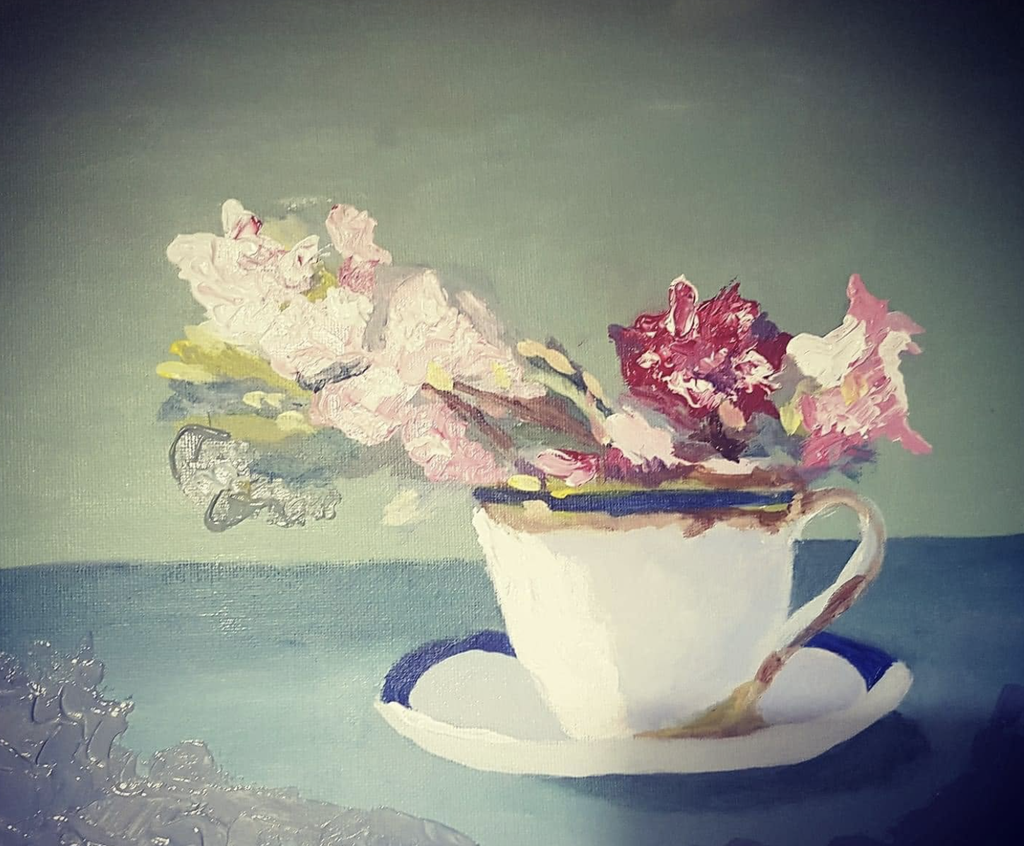
Flowers in a teacup: room to experiment with colour and brushwork.
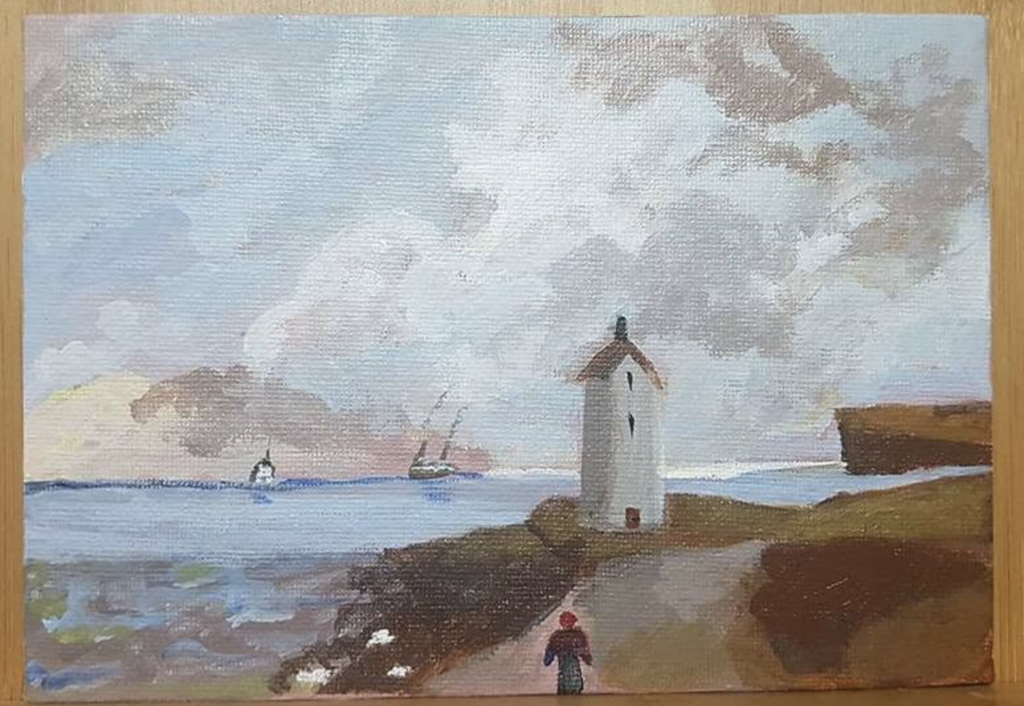
Coastal tower: an exercise in atmosphere and composition.
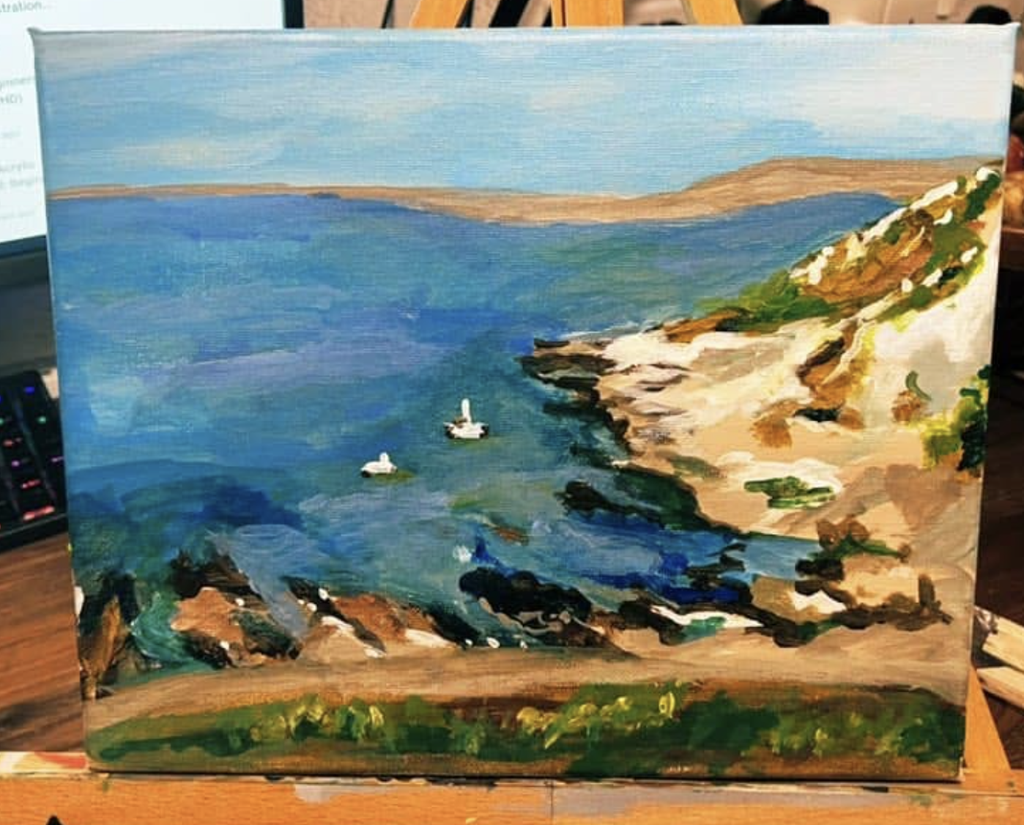
Coastal landscape: exploring depth, water and distance
I think we sometimes underestimate the relationship between creativity and mental wellbeing. Painting is not a cure for stress, anxiety or the difficulties that life can bring. Nor should it be presented as a substitute for professional support when that is needed. But it can offer something valuable.
For me, it provides an opportunity to concentrate on something constructive and enjoyable without the usual pressures attached to everyday responsibilities. There is something absorbing about the process.
Mixing colours requires observation. Applying paint requires concentration. Working out why something doesn’t look quite right requires patience. These activities occupy the mind in a way that can provide a welcome break from other concerns. For me, that absorption is part of the appeal: becoming engaged in the painting, with less attention left over for the clock or other distractions.
There are moments when I become so focused on painting that I realise I haven’t been thinking about anything else.
That doesn’t mean the problems have disappeared. It simply means they haven’t occupied every moment of my attention. And there is considerable value in that.
Not everything needs to become an achievement
One of the dangers of modern life is that we seem increasingly determined to turn everything into a measurable outcome. We track our exercise, monitor our productivity, collect qualifications and set targets for almost every aspect of our lives. Even hobbies can become another opportunity to measure performance.
How quickly are we improving? How good are we compared with somebody else? Could we turn our hobby into a business? Should we be sharing our progress online?
There is nothing inherently wrong with ambition or wanting to improve. But I think we need to protect the idea that some activities are worthwhile simply because we enjoy doing them. I don’t need to sell my paintings. I don’t need to exhibit them. I don’t even need them to be particularly good.
Of course, I would like to improve. Part of the enjoyment comes from seeing my skills develop. Seeing whether I could improve was one of the reasons I started. But I do not want that curiosity to become another demand to perform.
The real value is in the time spent creating something. That time is not wasted just because it doesn’t produce something commercially useful.
The importance of giving ourselves permission
Perhaps the most difficult part of developing a hobby is not learning the skill itself. It is giving ourselves permission to spend time on it. When life is busy, leisure can feel like something that must be earned. We tell ourselves that we will relax when the work is finished, when the house is tidy or when everything else has been taken care of.
But there will almost always be something else to do. If we wait until every responsibility has been fulfilled, we may never find the time.
I’ve increasingly come to believe that we need to be more deliberate about protecting opportunities for ourselves. That doesn’t necessarily mean spending hours every day pursuing a hobby. It might be half an hour painting, reading a chapter of a book, learning a musical instrument, gardening or simply going for a walk.
The activity itself is less important than the fact that it is something we have chosen to do for our own enjoyment. It is a reminder that our wellbeing deserves attention too.
More than just a painting
When I look at the paintings I’ve completed, I can see the things I would like to improve. There are colours I might mix differently, details I haven’t quite captured and techniques I still need to practise. But I can also see something else. I can see the time I spent learning.
I can see the patience involved in trying something unfamiliar. I can see the enjoyment of creating something that didn’t exist before I picked up a brush.
And, perhaps most importantly, I can see that I made time for myself. Will Kemp’s tutorials have given me an accessible way into painting, and his limited palette approach has helped me appreciate how much can be achieved with relatively little. But the greatest benefit hasn’t been learning how to mix colours or apply paint.
It has been rediscovering the pleasure of learning something simply because I want to. We spend so much of our lives doing things because we have to.
Perhaps we should make a little more room for the things we do because we love them. Sometimes, looking after ourselves begins with something as simple as picking up a paintbrush.
To end I want to share a painting I am very proud of this was a tutorial from the ART SHERPA on YouTube. She was an amazing painter and YouTube creator who sadly passed away recently. Please visit her channel and follow to help support her family. https://www.youtube.com/channel/UCy0-9vYn94d3i-_PZ3RJn2A
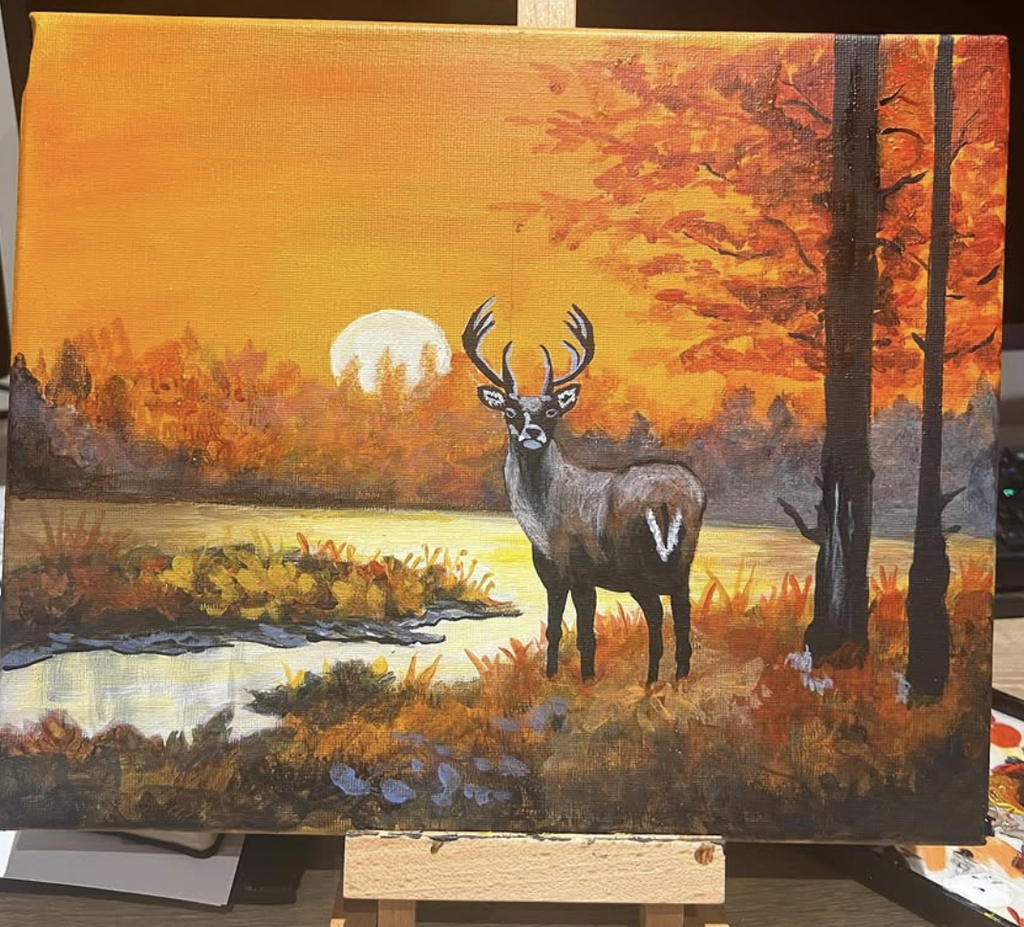
With thanks to Will Kemp Art School for the tutorials I followed on YouTube and its teaching on limited palettes. The paintings shown here are my own learning studies, arranged by theme rather than chronology. Credit for the tutorial teaching and any source compositions belongs to their respective creators.